
什么才算“没有浪费的一天”? 「充実した一日」とはどのようなものか?
日本語
皆さん、こんにちは。
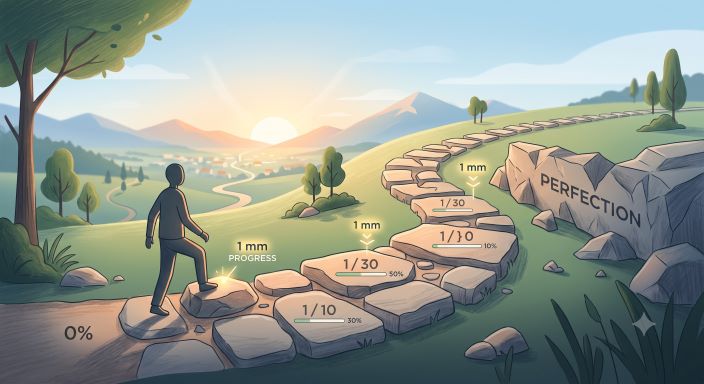
私たちはよく、「今日はあれができなかった」「一日を無駄にしてしまった」と後悔することがあります。では、何をもって「無駄のない一日」と言えるのでしょうか。私は、「昨日より1ミリでも前進した一日」だと考えています。
ここで大切なのは、完璧を求めすぎないことです。
朝早く起きて、計画通りに仕事をこなし、勉強も運動もこなす――そんな100点満点の一日を毎日続けるのは不可能です。完璧な理想を追い求めすぎると、少し予定が狂っただけで「今日もダメだった」と自分を責め、後悔の種を自ら作ってしまいます。
50点の日があっても、30点の日があってもいい。
本を1ページ読んだ、新しい知識に一つ触れた、あるいは、次に向けた良い休息が取れた。どんなに小さくても、自分の目標や成長につながる「1ミリの前進」が何か一つでもあれば、それは決して無駄な一日ではありません。
逆に、最ももったいないのは「完璧にできないから」と諦めて、何もしないことです。
だからこそ私は、一日の終わりに「今日はどこが1ミリ進んだだろう?」と、できたことに目を向けるようにしています。後悔に振り回されず、小さな前進を面白がること。それこそが、結果として最も「無駄のない、価値ある日々」に繋がると確信しています。
ありがとうございました。
PR: AmazonのHSK対策本(2021年度版)
中国語検定HSK公式過去問集4級
中国語検定HSK公式過去問集5級
中国語検定HSK公式過去問集6級
中国語(ピンイン付き)
英語(フォニックス付き)
Hello, everyone.
/həˈloʊ, ˈɛvriˌwʌn./
We often regret, thinking, “I couldn’t do that today," or “I wasted another day."
/wi ˈɔfən rɪˈɡrɛt, ˈθɪŋkɪŋ, “aɪ ˈkʊdənt du ðæt təˈdeɪ," ɔr “aɪ ˈweɪstəd əˈnʌðər deɪ."/
So, what exactly counts as a “day not wasted"?
/soʊ, wʌt ɪɡˈzæktli kaʊnts æz ə “deɪ nɑt ˈweɪstəd"?/
I believe it is “a day where you moved forward by even a single millimeter compared to yesterday."
/aɪ bɪˈliv ɪt ɪz “ə deɪ wɛr ju muvd ˈfɔrwərd baɪ ˈivɪn ə ˈsɪŋɡəl ˈmɪləˌmitər kəmˈpɛrd tu ˈjɛstərˌdeɪ."/
The most important thing here is not to chase perfection.
/ðə moʊst ɪmˈpɔrtənt θɪŋ hɪr ɪz nɑt tu tʃeɪs pərˈfɛkʃən./
Waking up early, crushing all your work as planned, and managing both study and exercise—it is impossible to keep up this kind of 100-point day every single day.
/ˈweɪkɪŋ ʌp ˈɜrli, ˈkrʌʃɪŋ ɔl jʊər wɜrk æz plænd, ænd ˈmænədʒɪŋ boʊθ ˈstʌdi ænd ˈɛksərˌsaɪz—ɪt ɪz ɪmˈpɑsəbəl tu kip ʌp ðɪs kaɪnd ʌv a ˈhʌndrəd-pɔɪnt deɪ ˈɛvri ˈsɪŋɡəl deɪ./
If we chase a perfect ideal too much, a tiny glitch in our plans will trigger self-blame, making us think, “I failed again today," and creating our own seeds of regret.
/ɪf wi tʃeɪs ə ˈpər fɪkt aɪˈdiəl tu mʌtʃ, ə ˈtaɪni ɡlɪtʃ ɪn ˈaʊər plænz wɪl ˈtrɪɡər sɛlf-bleɪm, ˈmeɪkɪŋ ʌs θɪŋk, “aɪ feɪld əˈɡɛn təˈdeɪ," ænd kriˈeɪtɪŋ ˈaʊər oʊn sidz ʌv rɪˈɡrɛt./
It is perfectly fine to have a 50-point day, or even a 30-point day.
/ɪt ɪz ˈpɜrfɪktli faɪn tu hæv ə ˈfɪfti-pɔɪnt deɪ, ɔr ˈivɪn ə ˈθɜrti-pɔɪnt deɪ./
Reading just one page of a book, absorbing one new piece of information, or simply getting a good rest to prepare for the next step—as long as there is something, no matter how small, that connects to your goals or growth, and moves you forward by “one millimeter," that day is never wasted.
/ˈridɪŋ dʒʌst wʌn peɪdʒ ʌv ə bʊk, əbˈzɔrbɪŋ wʌn nu pis ʌv ˌɪnfərˈmeɪʃən, ɔr ˈsɪmpli ˈɡɛtɪŋ ə ɡʊd rɛst tu prɪˈpɛr fɔr ðə nɛkst stɛp—æz lɔŋ æz ðɛr ɪz ˈsʌmθɪŋ, noʊ ˈmætər haʊ smɔl, ðæt kəˈnɛkts tu jʊər ɡoʊlz ɔr ɡroʊθ, ænd muvz ju ˈfɔrwərd baɪ “wʌn ˈmɪləˌmitər," ðæt deɪ ɪz ˈnɛvər ˈweɪstəd./
On the contrary, the biggest waste is giving up and doing absolutely nothing just because you cannot do it perfectly.
/ɑn ðə ˈkɑntrɛri, ðə ˈbɪɡəst weɪst ɪz ˈɡɪvɪŋ ʌp ænd ˈduɪŋ ˌæbsəˈlutli ˈnʌθɪŋ dʒʌst bɪˈkɔz ju ˈkænɑt du ɪt ˈpɜrfɪktli./
That is why, at the end of each day, I ask myself, “Where did I move forward by one millimeter today?" to focus on what I actually achieved.
/ðæt ɪz waɪ, æt ði ɛnd ʌv itʃ deɪ, aɪ æsk maɪˈsɛlf, “wɛr dɪd aɪ muv ˈfɔrwərd baɪ wʌn ˈmɪləˌmitər təˈdeɪ?" tu ˈfoʊkəs ɑn wʌt aɪ ˈæktʃuəli əˈtʃivd./
Don’t get trapped by regret; instead, enjoy the tiny steps forward. I am confident that this mindset, in the end, leads to the most “unwasted and meaningful" life.
/doʊnt ɡɛt træpt baɪ rɪˈɡrɛt; ɪnˈstɛd, ɪnˈdʒɔɪ ðə ˈtaɪni stɛps ˈfɔrwərd. aɪ æm ˈkɑnfədənt ðæt ðɪs ˈmaɪndsɛt, ɪn ði ɛnd, lidz tu ðə moʊst “ʌnˈweɪstəd ænd ˈminɪŋfəl" laɪf./
Thank you.
/θæŋk ju./